
Tropical Fruit Care
“Tropical” is not one care category. Mango, lychee, carambola, sapodilla, guava, and other warm-climate fruits differ substantially in cold tolerance, irrigation, pruning, and nutrition. Use this page as a Northeast Florida framework and then follow the species-specific guide whenever one is available.
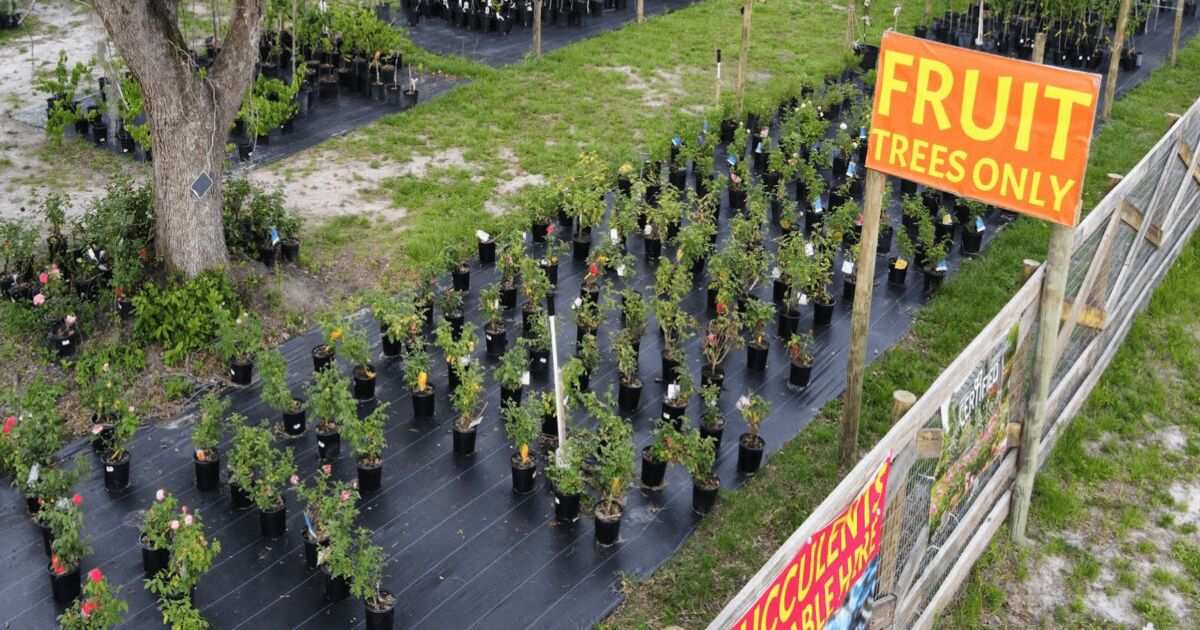
Start With Climate & Site
- Cold tolerance: Know the species’ true cold tolerance before planting. Many tropical trees that thrive in Miami are marginal outdoors in St. Augustine.
- Microclimate: Use south- or southeast-facing protected locations, wind shelter, and heat-retaining structures where appropriate.
- Sun: Most fruiting tropical trees need full sun for dependable flowering and fruit quality.
- Drainage: Avoid low spots and sites that remain saturated after summer rainfall.
Establishment
- Planting depth: Plant at the same depth as the nursery container; do not bury the trunk flare.
- Water: Water thoroughly at planting and maintain even root-zone moisture while new roots establish.
- Mulch: Mulch broadly but keep mulch away from the trunk.
- Fertilizer: Do not put fertilizer in the planting hole. Begin light nutrition after establishment and follow species-specific recommendations.
Freeze Preparation
- Young trees: Small tropical fruit trees are usually much more vulnerable to cold than mature specimens.
- Before a freeze: Water dry soil ahead of the event, secure frost cloth to the ground, and protect the trunk/graft where appropriate.
- After a freeze: Wait until the extent of damage is clear before severe pruning; premature pruning can expose additional tissue to later cold.
- Containers: Move container-grown tropicals into a protected location when practical.
Use the Species Guide
- Mango: Marginal in Northeast Florida; requires a protected microclimate and freeze protection.
- Lychee: Needs warm conditions and benefits from cool/dry winter weather for bloom, but is vulnerable to hard freezes.
- Carambola: Tropical and cold-sensitive; protect carefully.
- Guava: More resilient than many tropical fruits but still subject to freeze injury when young.
- Sapodilla: Poorly suited to Northeast Florida outdoors and carries invasive-plant cautions elsewhere in Florida.
Still stuck? Ask a plant question and our team will get back to you.