
Jasmine & Fragrant Plant Care
Care for jasmine, star jasmine, sambac, pinwheel jasmine, gardenia, and related fragrant plants in Northeast Florida.
“Jasmine” is used for several unrelated plants in the nursery trade. Light, cold tolerance, growth habit, and pruning vary, so follow the individual notes below.
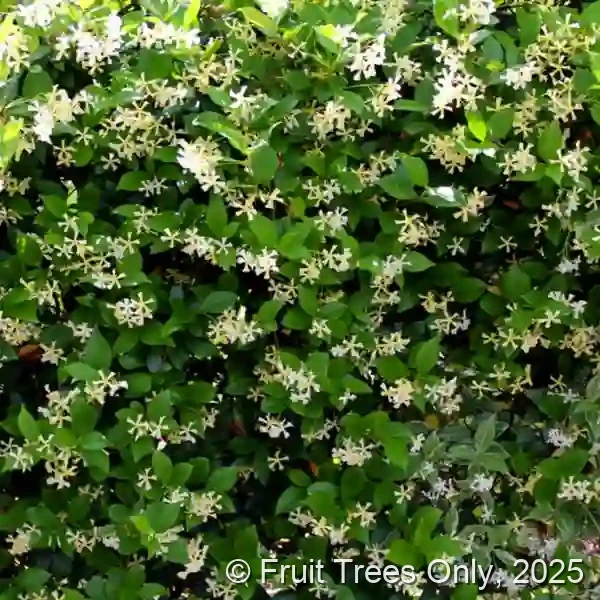
Confederate Jasmine
- Light: Full sun to part shade; stronger light generally improves flowering.
- Soil: Well-drained soil with organic matter.
- Water: Regular water while establishing, then moderate moisture.
- Fertilizer: Light balanced feeding during warm growth.
- Pruning: Prune after the main flowering flush to shape and remove tangled stems.
- Cold: Cold tolerance varies by jasmine type; protect tropical selections during freezes.
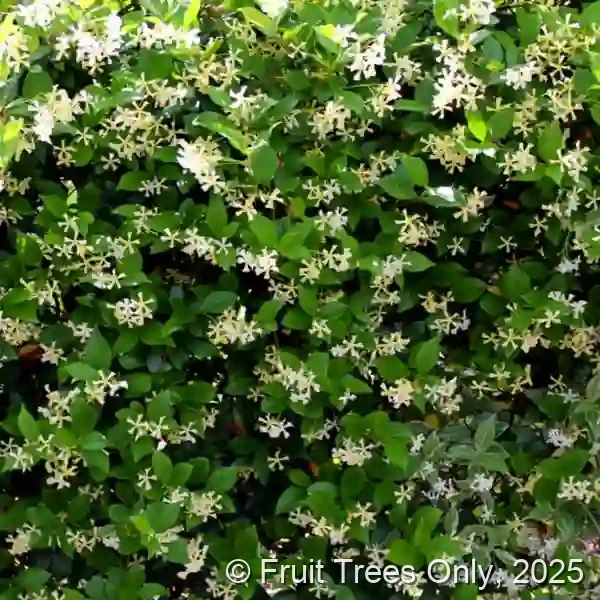
Confederate Jasmine (Trellis)
- Light: Full sun to part shade; stronger light generally improves flowering.
- Soil: Well-drained soil with organic matter.
- Water: Regular water while establishing, then moderate moisture.
- Fertilizer: Light balanced feeding during warm growth.
- Pruning: Prune after the main flowering flush to shape and remove tangled stems.
- Cold: Cold tolerance varies by jasmine type; protect tropical selections during freezes.
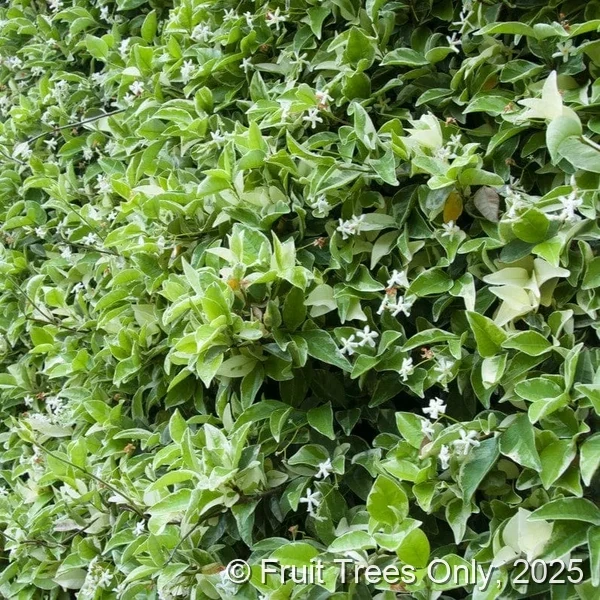
Confederate Jasmine (Variegated)
- Light: Full sun to part shade; stronger light generally improves flowering.
- Soil: Well-drained soil with organic matter.
- Water: Regular water while establishing, then moderate moisture.
- Fertilizer: Light balanced feeding during warm growth.
- Pruning: Prune after the main flowering flush to shape and remove tangled stems.
- Cold: Cold tolerance varies by jasmine type; protect tropical selections during freezes.
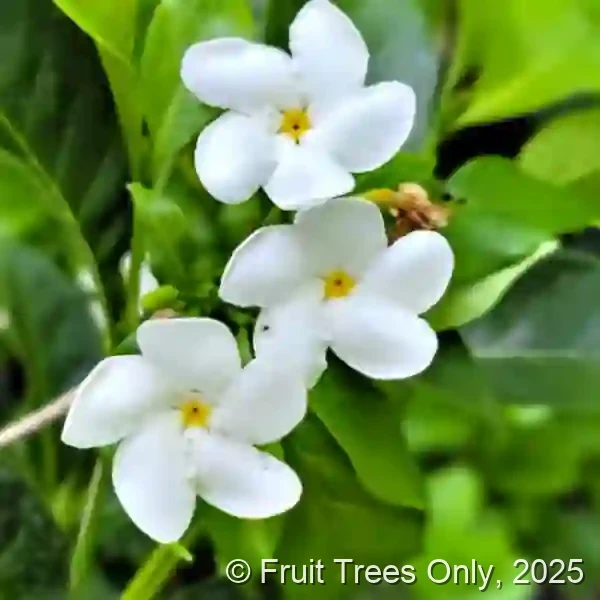
Crape Jasmine
- Light: Full sun to part shade; stronger light generally improves flowering.
- Soil: Well-drained soil with organic matter.
- Water: Regular water while establishing, then moderate moisture.
- Fertilizer: Light balanced feeding during warm growth.
- Pruning: Prune after the main flowering flush to shape and remove tangled stems.
- Cold: Cold tolerance varies by jasmine type; protect tropical selections during freezes.
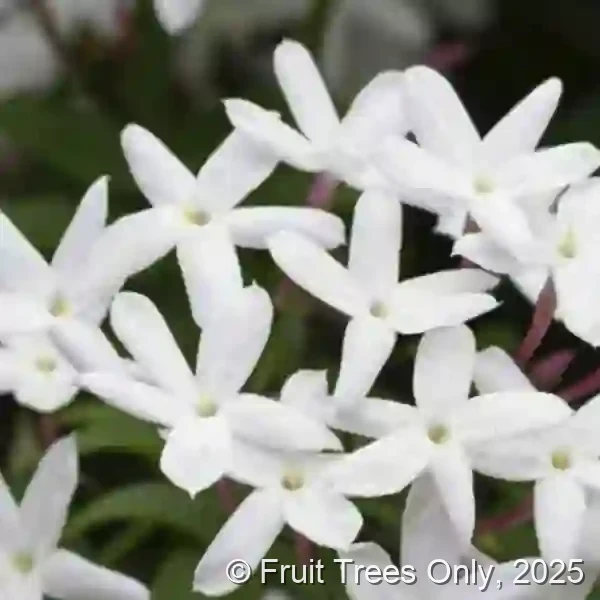
Downy Jasmine
- Light: Full sun to part shade; stronger light generally improves flowering.
- Soil: Well-drained soil with organic matter.
- Water: Regular water while establishing, then moderate moisture.
- Fertilizer: Light balanced feeding during warm growth.
- Pruning: Prune after the main flowering flush to shape and remove tangled stems.
- Cold: Cold tolerance varies by jasmine type; protect tropical selections during freezes.
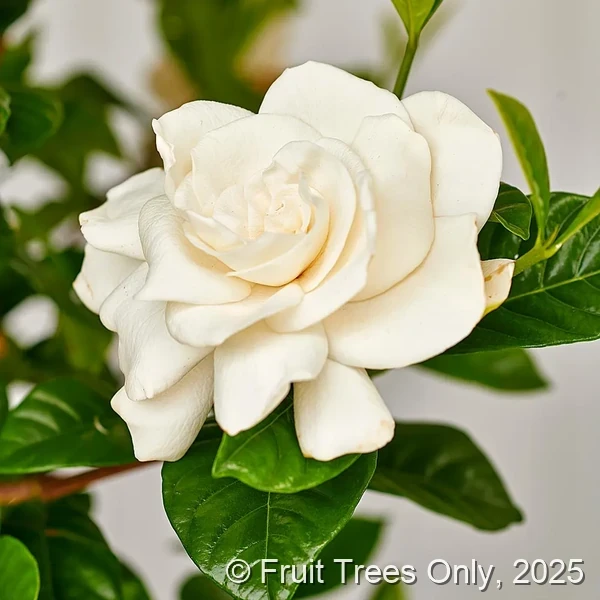
Gardenia ‘Aimee’
- Light: Morning sun or bright filtered light with protection from intense afternoon heat.
- Soil: Acidic, organic, well-drained soil.
- Water: Even moisture; avoid drought swings and waterlogged roots.
- Fertilizer: Acid-forming fertilizer during active growth; monitor iron chlorosis.
- Pruning: Prune shortly after flowering.
- Cold: Cold tolerance differs by gardenia type; protect tender selections.
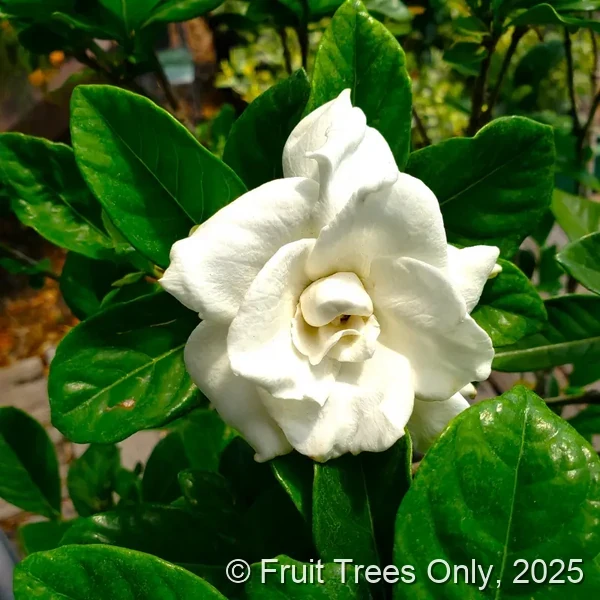
Gardenia ‘Miami Supreme’
- Light: Morning sun or bright filtered light with protection from intense afternoon heat.
- Soil: Acidic, organic, well-drained soil.
- Water: Even moisture; avoid drought swings and waterlogged roots.
- Fertilizer: Acid-forming fertilizer during active growth; monitor iron chlorosis.
- Pruning: Prune shortly after flowering.
- Cold: Cold tolerance differs by gardenia type; protect tender selections.
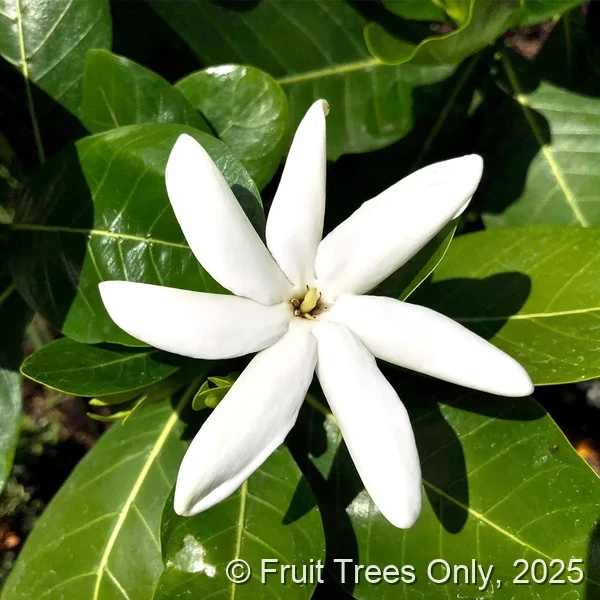
Gardenia ‘Tahitian’ (Tiare)
- Light: Morning sun or bright filtered light with protection from intense afternoon heat.
- Soil: Acidic, organic, well-drained soil.
- Water: Even moisture; avoid drought swings and waterlogged roots.
- Fertilizer: Acid-forming fertilizer during active growth; monitor iron chlorosis.
- Pruning: Prune shortly after flowering.
- Cold: Cold tolerance differs by gardenia type; protect tender selections.
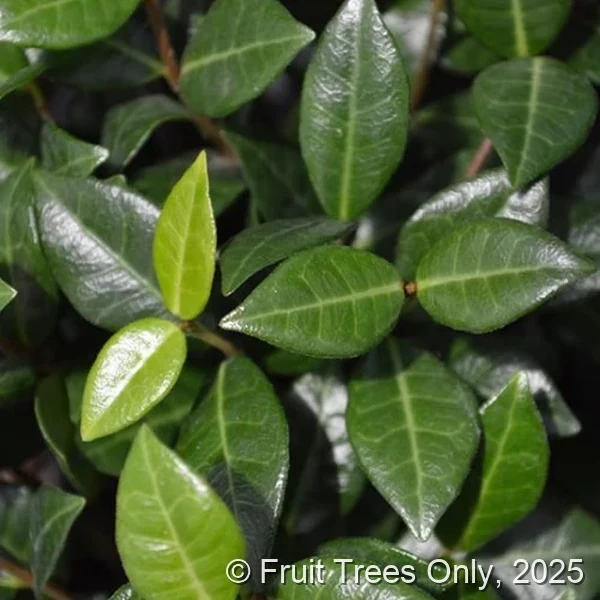
Jasmine Minima
- Light: Sun to part shade.
- Use: Low groundcover; not a climbing jasmine.
- Water: Regular water while establishing, then moderate moisture.
- Pruning: Edge or lightly shear as needed to maintain the bed.
- Cold: Generally more landscape-tolerant than tropical sambac types, but foliage can burn in hard freezes.
- Soil: Well-drained soil.
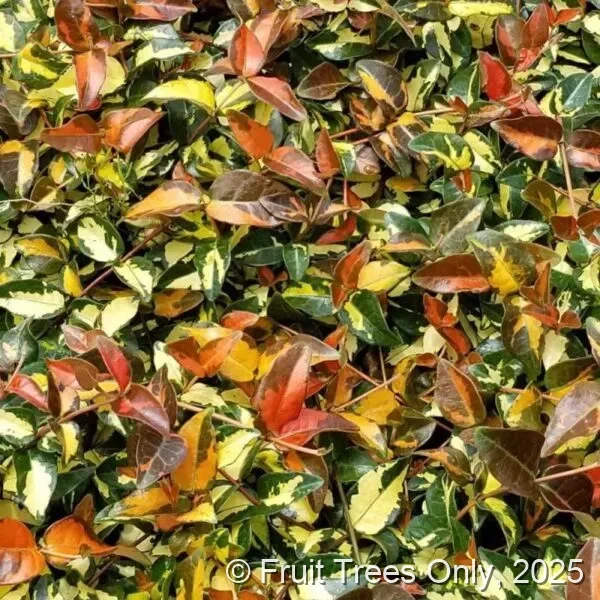
Jasmine Minima ‘Sunset’
- Light: Sun to part shade.
- Use: Low groundcover; not a climbing jasmine.
- Water: Regular water while establishing, then moderate moisture.
- Pruning: Edge or lightly shear as needed to maintain the bed.
- Cold: Generally more landscape-tolerant than tropical sambac types, but foliage can burn in hard freezes.
- Soil: Well-drained soil.
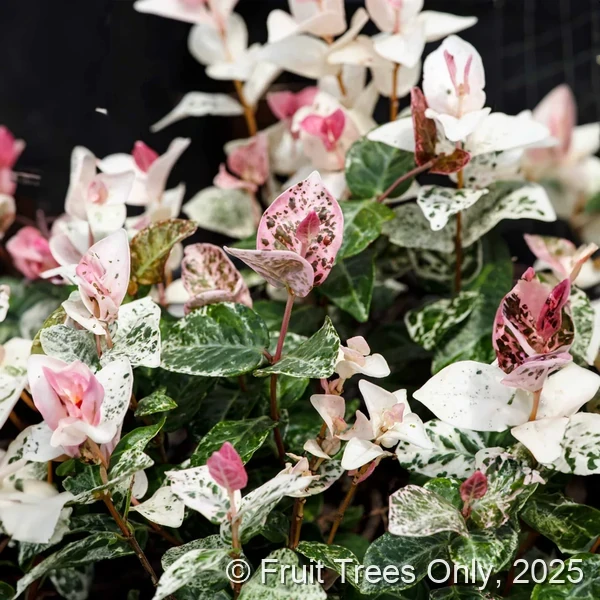
Jasmine Minima (Variegated)
- Light: Sun to part shade.
- Use: Low groundcover; not a climbing jasmine.
- Water: Regular water while establishing, then moderate moisture.
- Pruning: Edge or lightly shear as needed to maintain the bed.
- Cold: Generally more landscape-tolerant than tropical sambac types, but foliage can burn in hard freezes.
- Soil: Well-drained soil.
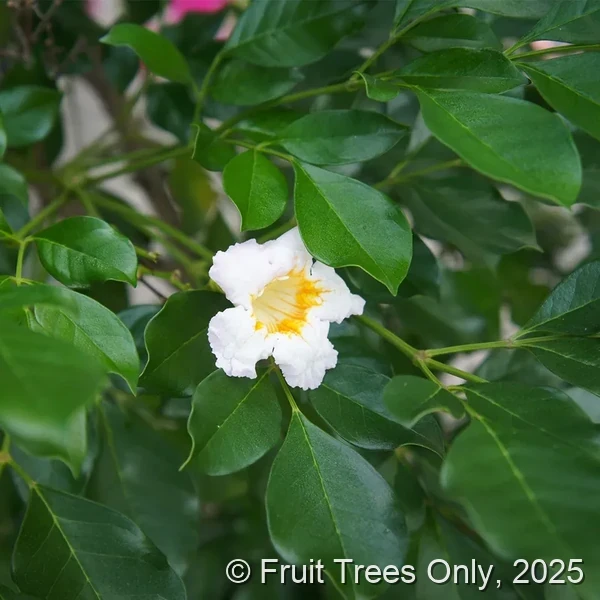
Jasmine (Tree Form)
- Light: Full sun to part shade; stronger light generally improves flowering.
- Soil: Well-drained soil with organic matter.
- Water: Regular water while establishing, then moderate moisture.
- Fertilizer: Light balanced feeding during warm growth.
- Pruning: Prune after the main flowering flush to shape and remove tangled stems.
- Cold: Cold tolerance varies by jasmine type; protect tropical selections during freezes.
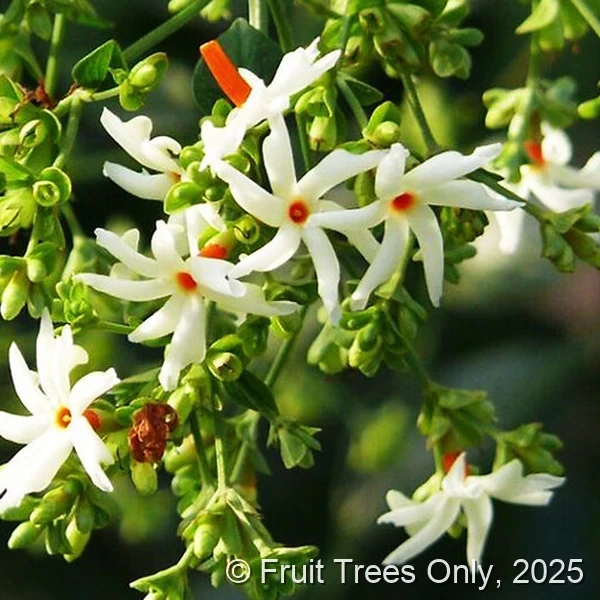
Night-Blooming Jasmine
- Light: Full sun to part shade.
- Water: Moderate moisture with good drainage.
- Pruning: Prune after bloom flushes to control size.
- Cold: Tropical/subtropical and freeze-sensitive in Northeast Florida.
- Fragrance: Flowers are intensely fragrant at night; site away from bedrooms/patios if fragrance sensitivity is a concern.
- Safety: Do not ingest plant material; keep away from pets/children who chew plants.
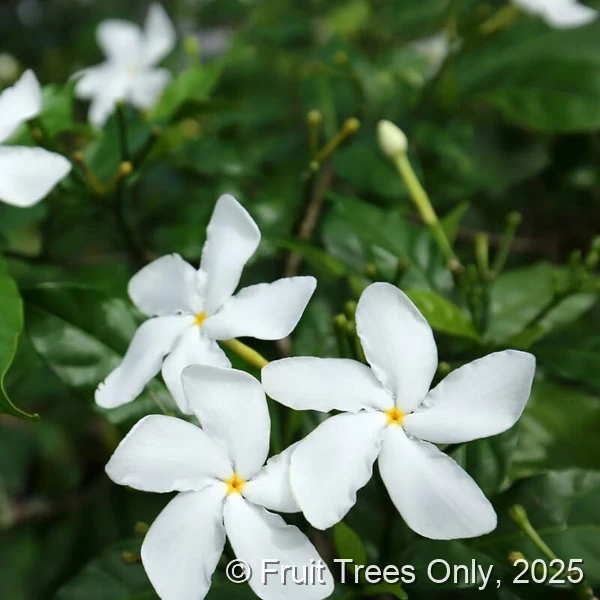
Pinwheel Jasmine
- Light: Full sun to part shade; stronger light generally improves flowering.
- Soil: Well-drained soil with organic matter.
- Water: Regular water while establishing, then moderate moisture.
- Fertilizer: Light balanced feeding during warm growth.
- Pruning: Prune after the main flowering flush to shape and remove tangled stems.
- Cold: Cold tolerance varies by jasmine type; protect tropical selections during freezes.
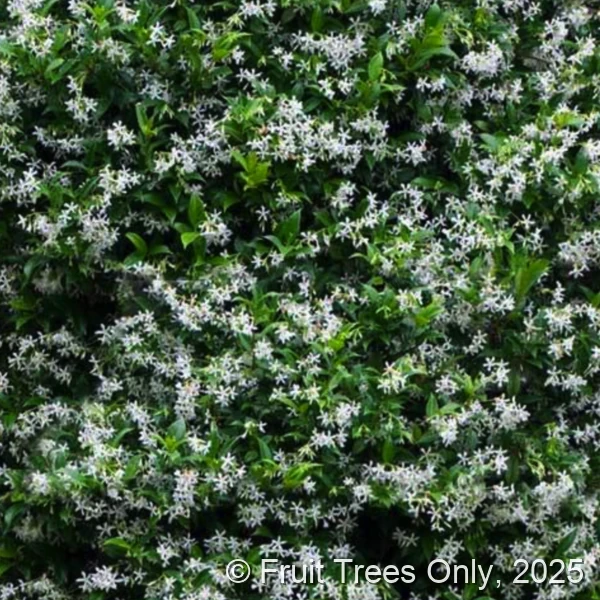
Sambac Jasmine
- Light: Full sun to part shade; stronger light generally improves flowering.
- Soil: Well-drained soil with organic matter.
- Water: Regular water while establishing, then moderate moisture.
- Fertilizer: Light balanced feeding during warm growth.
- Pruning: Prune after the main flowering flush to shape and remove tangled stems.
- Cold: Cold tolerance varies by jasmine type; protect tropical selections during freezes.

Star Jasmine
- Light: Full sun to part shade; stronger light generally improves flowering.
- Soil: Well-drained soil with organic matter.
- Water: Regular water while establishing, then moderate moisture.
- Fertilizer: Light balanced feeding during warm growth.
- Pruning: Prune after the main flowering flush to shape and remove tangled stems.
- Cold: Cold tolerance varies by jasmine type; protect tropical selections during freezes.
Still stuck? Ask a plant question and our team will get back to you.