
Hedge & Screening Plant Care
Care for hedge and screening plants used in Northeast Florida landscapes.
Successful hedges start with the right plant for the site. Mature size, drainage, cold tolerance, and pruning style differ by species.
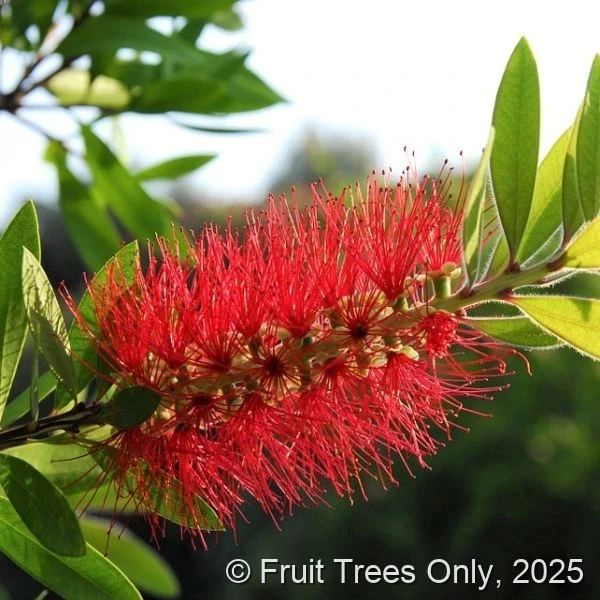
Bottlebrush
- Light: Full sun to part shade depending on species.
- Soil: Well-drained soil.
- Water: Water regularly until established; then irrigate based on species and rainfall.
- Pruning: Prune to maintain natural structure; use shearing only when a formal hedge is desired.
- Fertilizer: Light to moderate fertilizer during active growth if needed.
- Cold: Confirm species cold tolerance before using it as a permanent St. Augustine hedge.
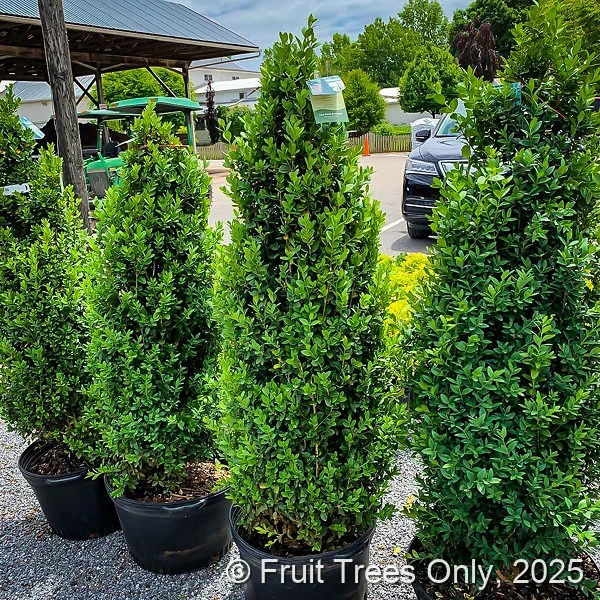
Boxwood
- Light: Sun to part shade; afternoon shade can reduce heat stress.
- Soil: Well-drained soil; avoid chronically wet roots.
- Water: Regular during establishment, then moderate.
- Pruning: Use selective thinning plus light shaping; avoid shearing constantly into a dense shell.
- Cold: Generally suitable for North Florida if the cultivar is adapted.
- Pests: Monitor for mites, leafminers, and root problems.
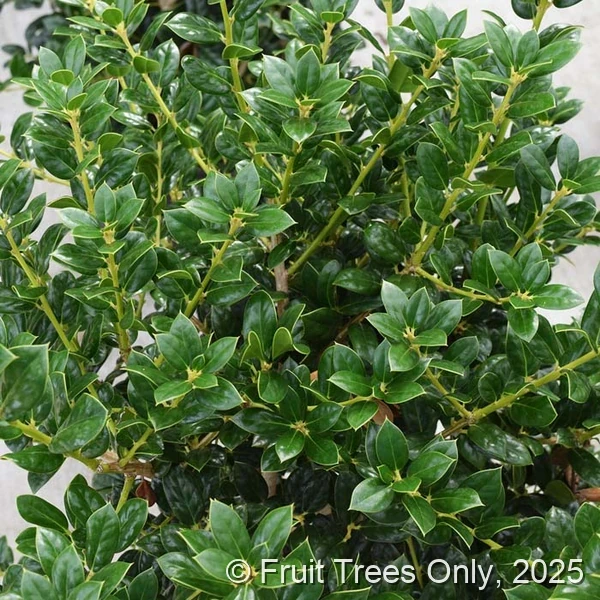
Buford Holly
- Light: Full sun to part shade depending on species.
- Soil: Well-drained soil.
- Water: Water regularly until established; then irrigate based on species and rainfall.
- Pruning: Prune to maintain natural structure; use shearing only when a formal hedge is desired.
- Fertilizer: Light to moderate fertilizer during active growth if needed.
- Cold: Confirm species cold tolerance before using it as a permanent St. Augustine hedge.
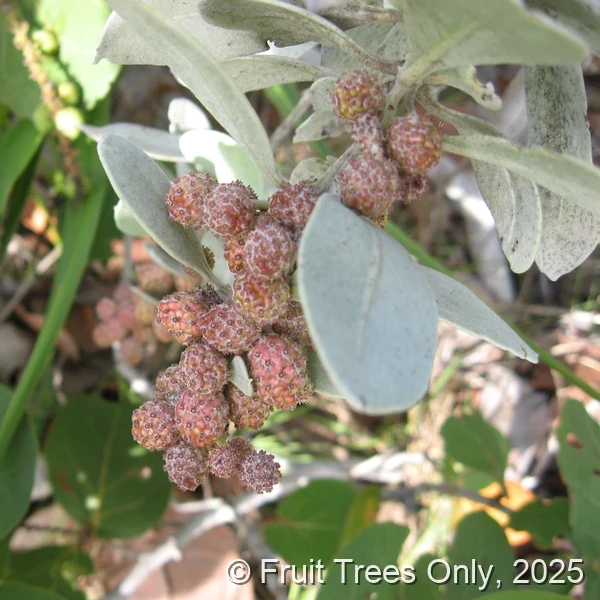
Buttonwood
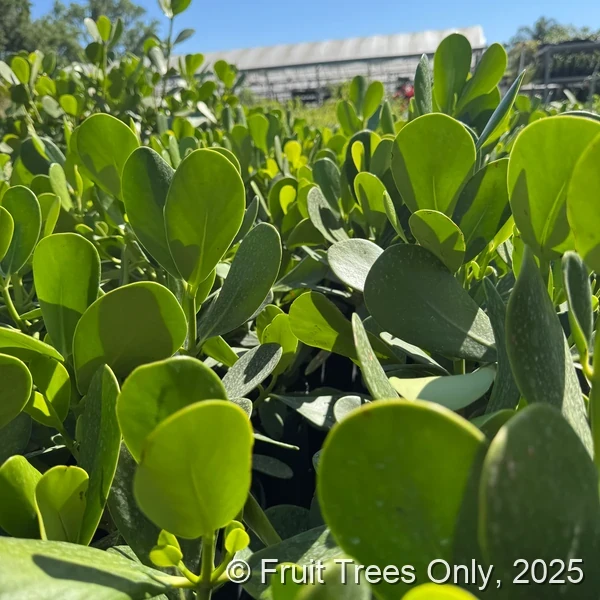
Clusia
- Light: Full sun to part shade.
- Soil: Well-drained soil.
- Water: Water to establish; mature plants tolerate some drought.
- Pruning: Prune during warm weather to maintain hedge height.
- Cold: Clusia is tropical and can be severely damaged by Northeast Florida freezes.
- Regional note: Best treated as a protected or replacement-risk hedge in St. Augustine.
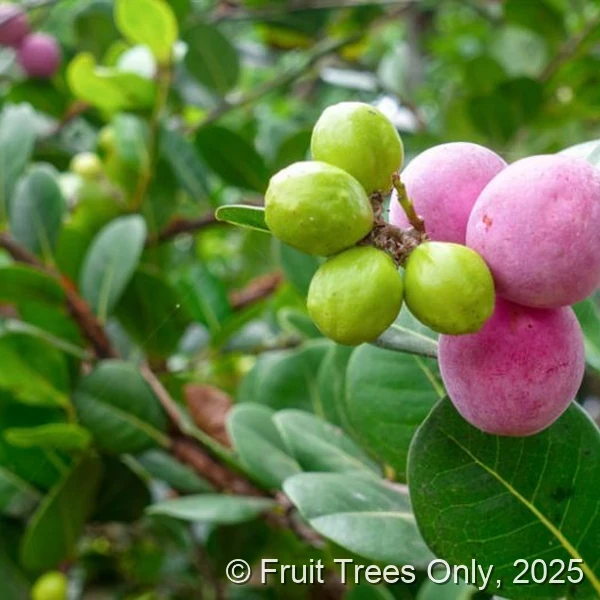
Cocoplum
- Light: Full sun to part shade.
- Soil: Adaptable but best drained.
- Water: Water while establishing; fairly drought tolerant once rooted.
- Pruning: Responds well to hedging and selective size control.
- Cold: Primarily a South Florida plant; freeze injury is a significant Northeast Florida risk.
- Salt: Good salt tolerance once established.
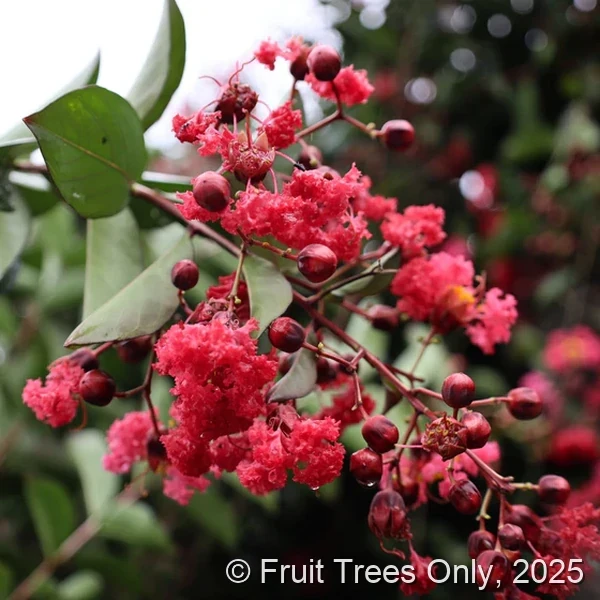
Crepe Myrtle
- Light: Full sun to part shade depending on species.
- Soil: Well-drained soil.
- Water: Water regularly until established; then irrigate based on species and rainfall.
- Pruning: Prune to maintain natural structure; use shearing only when a formal hedge is desired.
- Fertilizer: Light to moderate fertilizer during active growth if needed.
- Cold: Confirm species cold tolerance before using it as a permanent St. Augustine hedge.
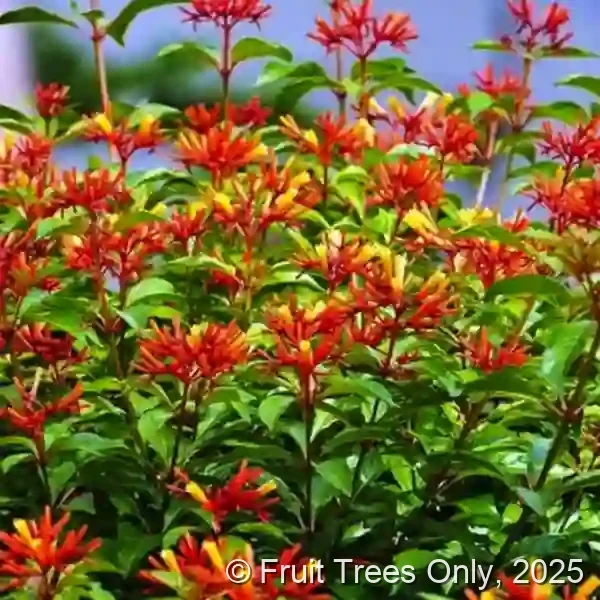
Firebush
- Light: Full sun to part shade depending on species.
- Soil: Well-drained soil.
- Water: Water regularly until established; then irrigate based on species and rainfall.
- Pruning: Prune to maintain natural structure; use shearing only when a formal hedge is desired.
- Fertilizer: Light to moderate fertilizer during active growth if needed.
- Cold: Confirm species cold tolerance before using it as a permanent St. Augustine hedge.
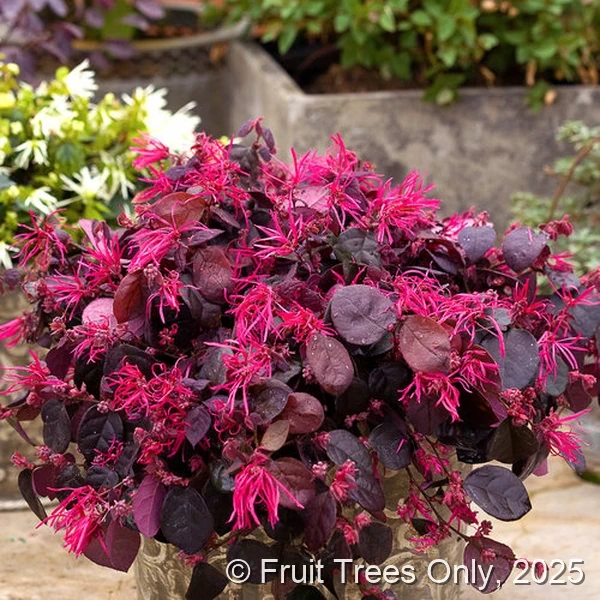
Loropetalum
- Light: Full sun to part shade depending on species.
- Soil: Well-drained soil.
- Water: Water regularly until established; then irrigate based on species and rainfall.
- Pruning: Prune to maintain natural structure; use shearing only when a formal hedge is desired.
- Fertilizer: Light to moderate fertilizer during active growth if needed.
- Cold: Confirm species cold tolerance before using it as a permanent St. Augustine hedge.
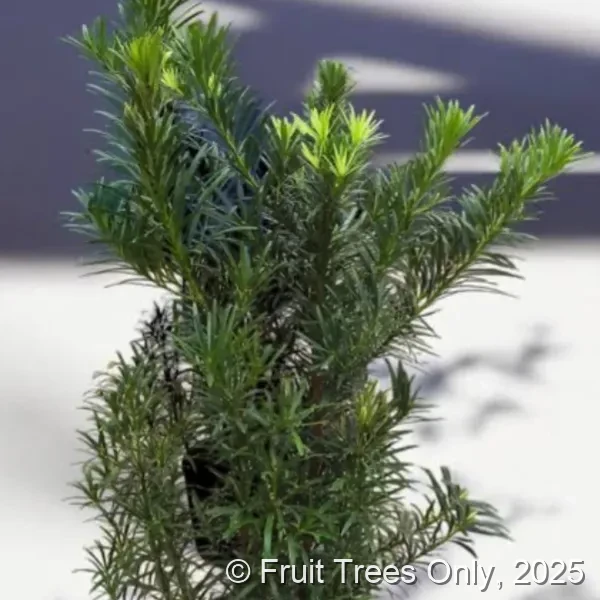
Podocarpus
- Light: Full sun to part shade.
- Soil: Well-drained soil.
- Water: Regular during establishment; moderate drought tolerance when mature.
- Pruning: Can be sheared as a hedge, but periodic selective thinning prevents an overly dense exterior.
- Fertilizer: Usually modest feeding is sufficient.
- Cold: Well suited to Northeast Florida landscapes.
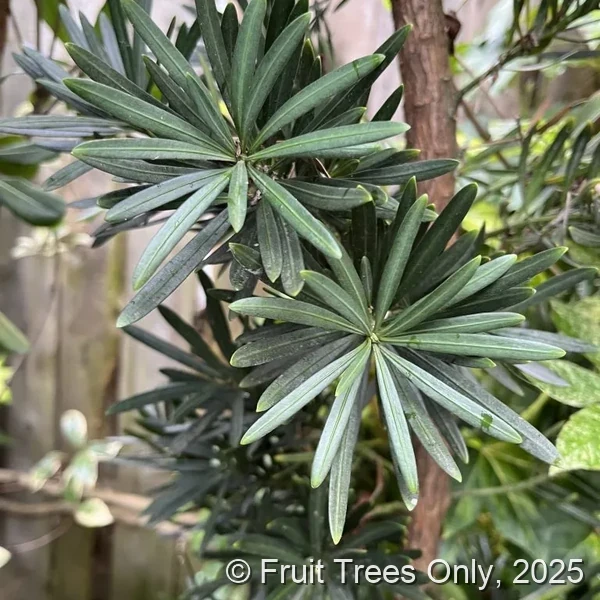
Podocarpus Maki
- Light: Full sun to part shade.
- Soil: Well-drained soil.
- Water: Regular during establishment; moderate drought tolerance when mature.
- Pruning: Can be sheared as a hedge, but periodic selective thinning prevents an overly dense exterior.
- Fertilizer: Usually modest feeding is sufficient.
- Cold: Well suited to Northeast Florida landscapes.
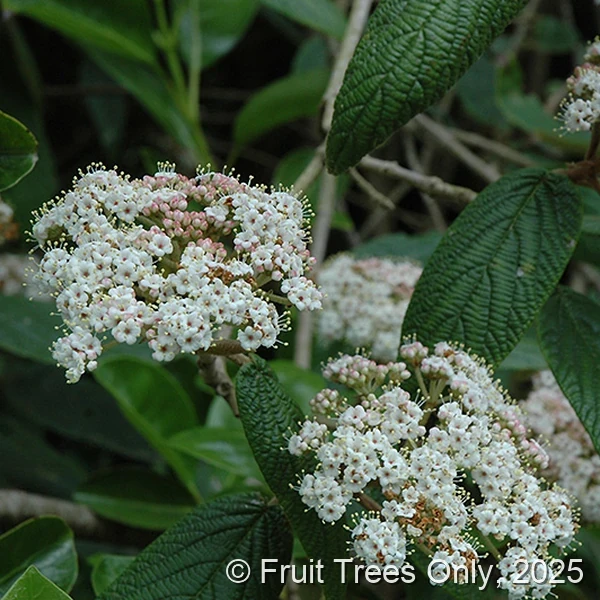
Sweet Viburnum
- Light: Full sun to part shade.
- Soil: Moist but well-drained soil.
- Water: Regular during establishment; irrigate during prolonged drought.
- Pruning: Prune after major growth flushes; allow enough room to avoid constant severe shearing.
- Fertilizer: Moderate spring feeding if growth is weak.
- Cold: Sweet viburnum can be cold-damaged in unusually hard freezes but is commonly used in Florida.
Still stuck? Ask a plant question and our team will get back to you.